Caroline G.
Fancy a productive vip day?
How about private coaching?
Yes,Let's Work Together!
Meet me over Zoom for a full day focused just on your business where we complete a productivity audit, set goals, and strategize your next quarter together. You get to rent my brain for a full 6 hours and I get a chance to unleash my inner cheerleader!
Collaboration at it's finest.
Let's go! Book a Discovery Call! →
Need a bit more consistent attention?
Let me help you get organized through ongoing private coaching via Zoom. We'll create a customized learning plan for to help you upgrade your productivity, project management, and organization skills.
Ask me for a sample learning path!
Let's go! Book a Discovery Call! →
Not sure what's right for you? Let's chat. →
new!
Caroline G.
CREATIVE SYSTEMS ARCHITECt ™
Get your systems and operations in order in my year-long program on how to create your business universe. We talk about best practices, how to select hubs, create workflows, outline SOPs, and much more, so that you can set up and automate as much as possible. It's time to get your digital ducks in a row, and work smarter.
Find Out More →
Go on,Get YourLearning On!
Mindful Monday Mapping ™
Create a shorter work week for yourself, so you can have more time to explore and connect with what matters - your family, friends, and creative spirit. This program will help you implement my most popular productivity routine to streamline your business and home for a holistic and empowering lifestyle. Boom.
Find Out More →
Foundational!
Popular!
Caroline G.
Go Someplace Exotic... or not.
LIVE IN-PERSON RETREATS
VIRTUAL Retreats
It doesn't have to be lonely at the top! Meet me and a rockstar team in a new and exciting location to break old patterns and take your business to the next level. Our retreats are highly curated experiences for a limited number of participants to make sure that everyone has a transformative experience. Applications are open!
See all upcoming retreats →
Not ready to travel just yet? That's OK. You can also join us for a virtual retreat over Zoom to get a taste of what's to come. Our online events are open to any creative business owner anywhere, and tickets are sold on a first come, first-serve basics. Let's accelerate your business growth online, and soar! Sign up today.
Find Out More →
Reveal the Next Location →
Caroline G.
DOwnLOAD NoW!
There's Always More to Explore...
coming soon!
coming soon!
coming soon!
coming soon!
- New Here? Explore the Free Stuff!
- Template Library (Yeah... I Like Not Starting From Scratch.)
- All Upcoming Events - Can We Meet Up Somewhere?
- Workshops & Replays (I’ve Dropped a Lot of Gems Lately.)
- Press & Media - Have me on your show, or just listen to one.
- Giving Back - Let’s Heal the World!
- Book a Discovery Call - Explore Us Working Together!
- Check Out My Digital Business Card
- Learn About My Favorite Tools & Resources
- Academy Login → Existing Student? Sign In to Continue Learning.
last updated:
May 5, 2026
Building a Clutter-Free Business Without Creating More Waste
Share THIS article
SEARCH + ENTER
Join us for a Quarterly Planning session to strategize better goals.
SLAY NEXT SEASON
REGISTER HERE
Open to all entrepreneurs everywhere!
FREE GUIDE:
The 6 Easiest Ways to Improve Daily Productivity
DOWNLOAD NOW
xoxo, Caroline
Hejsan!
Welcome to my blog!
I'm Caroline, a.k.a. "The Swedish Organizer," and I'm here to help you finish what you start. Effortlessly.
Stick with me, and I'll show you how create more, work less, and have more fun.
I offer online courses and private coaching for all entrepreneurial budgets, so don't be a stranger.
Drop me a line anytime!
Who does not want a clutter-free business? In this article, we explore some quick tips for recycling and sustainability, so that you can create a streamline office space that will benefit you in multiple ways.
Do You Declutter?
Decluttering is a lot more than a seasonal reset. It has become part of a broader lifestyle shift. People are seeking clearer and more intentional office spaces, and this is precisely where decluttering comes in; it’s a part of the process. However, between what you aspire to and your actual office, there are always some differences.
Why doesn’t decluttering go the way most people want it to? The truth is that the process can truly feel overwhelming. More than half of individuals actually struggle because the amount of clutter they have accumulated is overwhelming, but they find it hard to start the process. It’s not just a case of too much clutter affecting the look and feel of your office. It also impacts your mental health. So, it’s easy to see how decluttering has grown into the trend that it is now.
But decluttering doesn’t come without challenges. In fact, the first thing you want to ask is: What happens to the things you remove from your office? Sure, it may not be filling your workspace anymore. But items that are discarded thoughtlessly end up creating unnecessary waste. If you are going to create a truly organized office, you need to think about how you get rid of the clutter.
The Link Between Decluttering & Waste
The desire for a clean and open space is understandable, but it can encourage quick decisions. When you are looking at a full drawer or a room overflowing with old books and documents, it’s tempting to take a drastic approach to decluttering. It’s not about removing only what doesn’t serve, but removing anything in sight. In practice, this may seem effective to remove the clutter. But in reality, it only shifts the problem outside your office without resolving it.
Why is it so difficult to declutter? The truth is that a lot of people are uncertain about recycling rules. It is often unclear which items belong where. So, when the process feels too complicated, it’s easy to default to general waste, even when better alternatives exist.
The second issue you may face is volume. Clutter becomes overwhelming when there is a lot of it. So, when you finally get around to arranging a decluttering session, chances are you’ll be dealing with a high number of items. This makes it tough to sort carefully, especially when you just want to get done with it as fast as possible.
Shifting to Intentional Organization
As long as you think of decluttering as removing items from your workspace, it’s likely to turn into an unsustainable operation every single time. You need to start thinking of it as organizing your space in order to bring a more sustainable and environmentally friendly approach.
Organizing is a lot slower, and it is also more deliberate. The reason for it is that it forces you to consider each item rather than making decisions in bulk. While it is time-demanding, it’s also crucial to ensure that you can declutter effectively.
Everything can start with simple questions, namely: Do I use this regularly? If so, where do I use it? Clutter occurs when items are not stored in the best possible place for their purpose. Then, if you realize you don’t use the item, this is when you start considering where to throw it away or give/sell it.
There is no denying that the approach can delay getting a clean and tidy office. However, it will also ensure that the clutter doesn’t come back. Organizing your space is the first step when it comes to decluttering. This determines not only what you need, but also where it goes, and where what you don’t need should go.
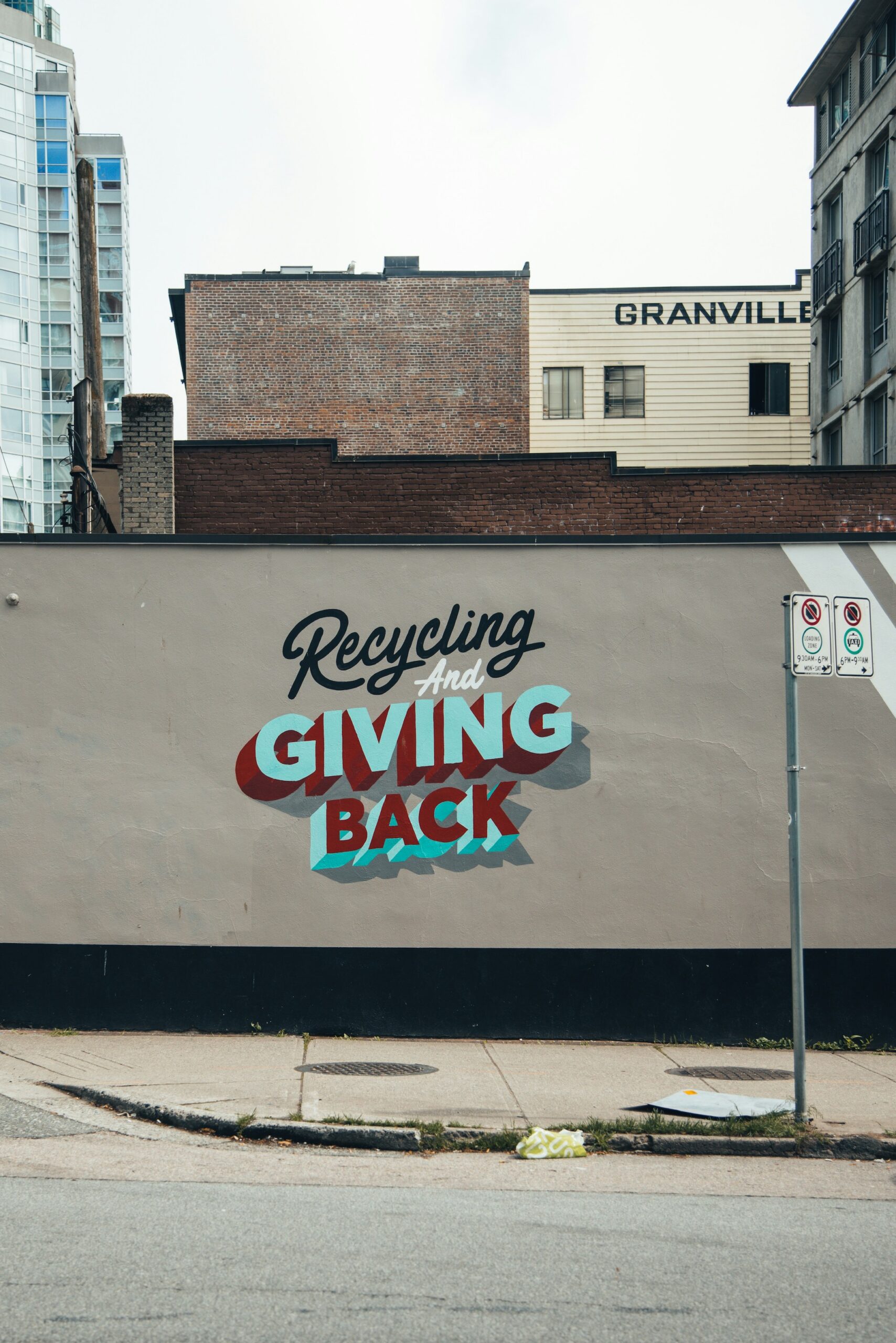
Photo by Jack Church on Unsplash
Systems for What Leaves Your Office
A clutter-free office is easier to maintain when there is a clear system for what leaves the space too. Ultimately, without it, items tend to gather in temporary piles, where they await a decision. This could lead to further clutter or simply to throwing everything away in bulk, which is just as damaging.
That is why having a simple outflow system can make a huge difference. You may want to start with a few clearly defined categories, such as donate, recycling, and dispose. Each category needs its own designated space. This is one good reason to approach decluttering on a room-by-room basis. You can use baskets to contain each category. This works consistently because it is easy to use and self-explanatory.
Understanding Waste Without Overcomplicating It
Decluttering requires you to understand what can be recycled and what cannot be. This is the biggest barrier to sustainability overall. Avoid rash decisions that are inevitably harmful to the environment and forces you to take a step back and consider your options.
The difference between recyclable and non-recyclable materials isn’t always obvious a some items may require special handling. But when you approach the process on a room-by-room basis, you can take the time to check how items can be disposed of. It can be helpful to use a waste management industry glossary to clarify unfamiliar processes and reduce uncertainty about specific items. Ultimately, once you start understanding what happens to your clutter once it leaves your office, you can ensure that it doesn’t clutter any landfill down the line.
A Word on Donating & Reusing
Not everything you don’t need has to be thrown away. Many items still have value even if they don’t serve you anymore. So, whether it is electronics, books, office kitchenware, or general items, these can often be passed on, through donations or even reselling. It can be a good idea to keep a dedicated donation bag, so you can collect these items as you go. Instead of letting them pile up, you can have a regular schedule for drop-offs, which means that you can avoid clutter altogether in the future.
It is important to start thinking beyond the front door. Once clutter leaves your office, it shouldn’t become clutter elsewhere. This is why it is so important to take the time to organize all items when you declutter, so that you can not only know what to keep and dispose of, but also understand how to best dispose of them.
How are you staying clutter-free in your business?
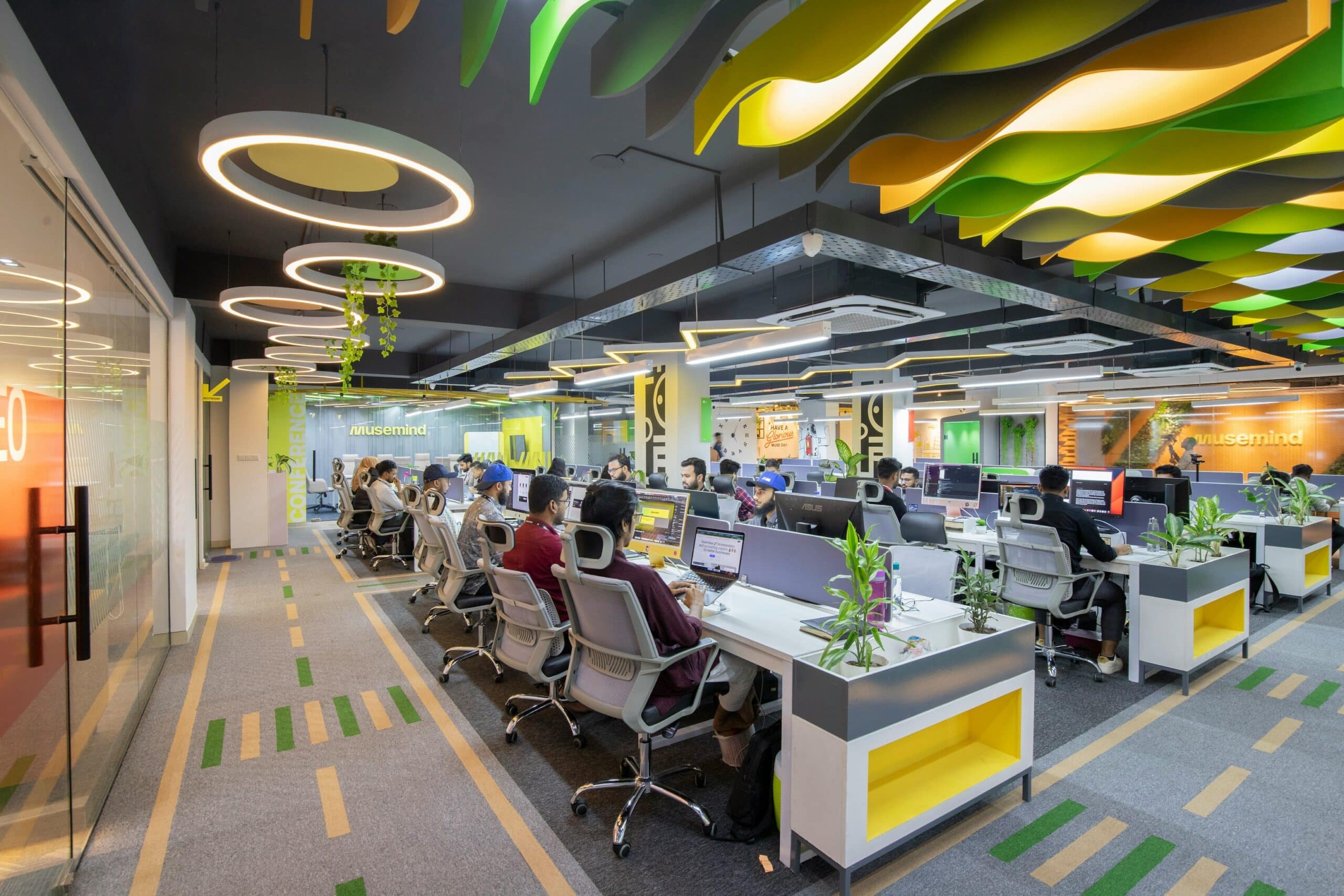
Featured Photo Courtesy of Musemind UX Agency
- About the Author
- Most Recent Posts

Hi there! I’m Caroline, and I’m here to help you get organized and be more productive, so that you can live better and have time for what matters.